
Essential Steps to Prepare for Home Inspections: A Guide to Home Inspection Preparation
- matt61548

- Jun 15
- 3 min read
Preparing for a home inspection is a critical step whether you are buying, selling, or maintaining a property. A thorough inspection can reveal issues that affect the value and safety of a home. Taking the right steps before the inspector arrives can make the process smoother and more effective. I will walk you through essential actions to take to ensure your home is ready for inspection.
Understanding Home Inspection Preparation
Home inspection preparation involves organizing and addressing key areas of your property to present it in the best possible condition. This preparation helps the inspector access all necessary parts of the home and reduces the chance of surprises that could delay a sale or require costly repairs.
Here are some practical steps to consider:
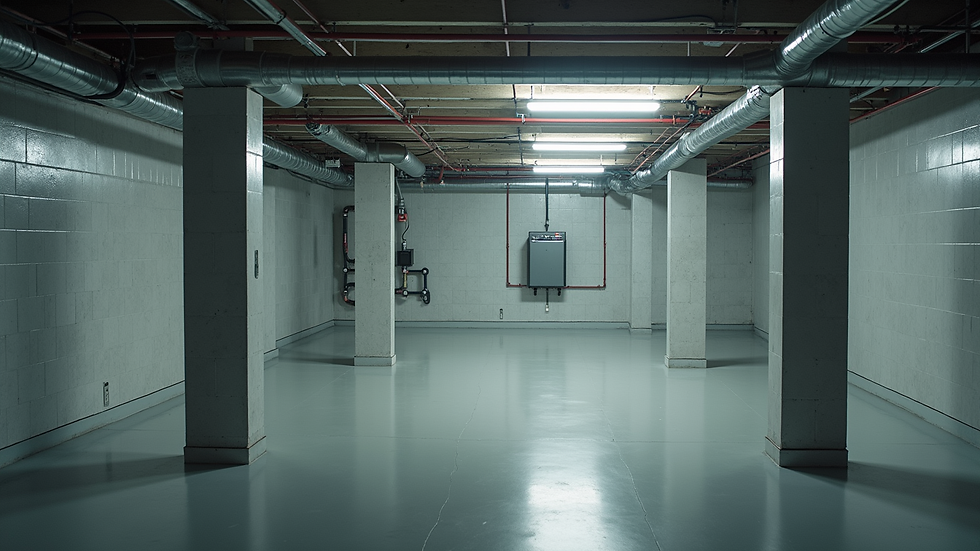
Clear access to all areas: Make sure the inspector can easily reach the attic, basement, crawl spaces, electrical panels, and HVAC units.
Fix minor repairs: Replace burnt-out light bulbs, repair leaking faucets, and patch small holes in walls.
Clean and declutter: A tidy home allows the inspector to move freely and examine surfaces without obstruction.
Test safety devices: Check smoke detectors, carbon monoxide alarms, and fire extinguishers to ensure they are functional.
Provide documentation: Gather warranties, manuals, and records of recent repairs or upgrades.
Taking these steps shows that you care about the property and helps the inspection proceed efficiently.
Key Areas to Focus on During Home Inspection Preparation
Certain parts of the home require special attention before the inspection. Addressing these areas can prevent common issues and demonstrate that the home has been well maintained.
Roof and Gutters
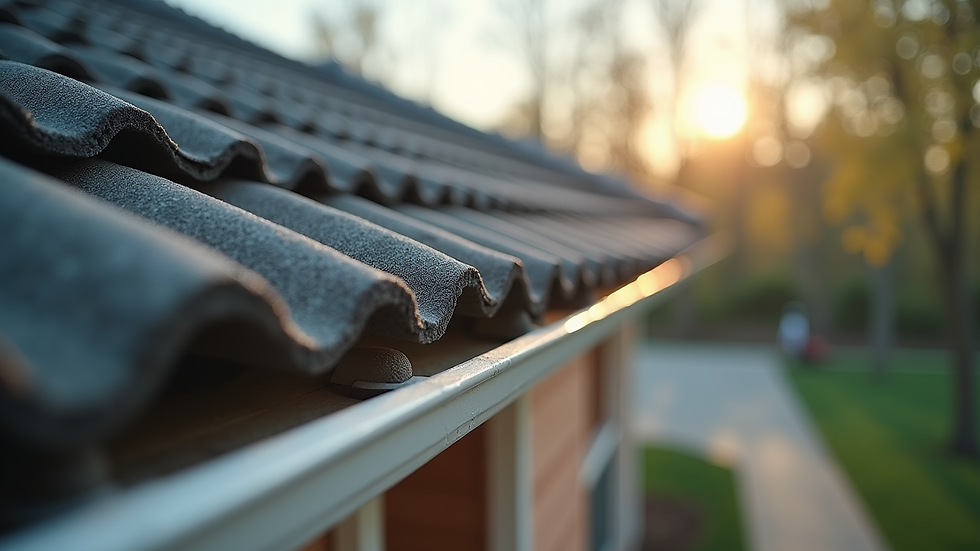
Inspect the roof for missing or damaged shingles. Clean gutters and downspouts to ensure proper drainage. Standing water or debris can cause damage and may be flagged during the inspection.
Plumbing System
Check for leaks under sinks and around toilets. Ensure all faucets and showers run properly and that water pressure is adequate. Fix any dripping taps or running toilets.
Electrical System
Test all outlets and switches. Replace any broken covers and ensure the electrical panel is accessible. Labeling breakers can also help the inspector.
HVAC System
Replace air filters and confirm that heating and cooling systems are operational. Clean vents and registers to improve airflow.
Exterior and Landscaping
Trim bushes and trees away from the house. Repair cracks in walkways and driveways. Ensure exterior lights work and that the yard drains water away from the foundation.
By focusing on these areas, you reduce the risk of negative findings and help the inspector complete a thorough evaluation.
What is the Most Common Issue to Arise in a Home Inspection?
One of the most frequent issues found during home inspections is related to the plumbing system. Leaks, corrosion, and outdated piping often come up as concerns. These problems can lead to water damage, mold growth, and costly repairs if left unaddressed.
Other common issues include:
Electrical hazards such as improper wiring or overloaded circuits
Roof damage or poor maintenance
HVAC system inefficiencies or failures
Structural concerns like foundation cracks or moisture intrusion
Understanding these common pitfalls allows us to proactively address them before the inspection. This preparation can save time and money and increase confidence in the property’s condition.
How to Prepare for a Home Inspection: Practical Tips
If you want to know more about how to prepare for a home inspection, here are some actionable recommendations:
Schedule the inspection at a convenient time: Be present if possible to answer questions and learn about the home’s condition firsthand.
Ensure utilities are on: Water, electricity, and gas should be operational for testing.
Provide clear instructions for pets: Secure animals to avoid distractions or safety concerns.
Remove valuables and personal items: This protects your belongings and allows the inspector to focus on the home.
Make a checklist: Walk through the home and note any issues you want to address or discuss.
These steps help create a positive inspection experience and demonstrate your commitment to transparency.
Final Thoughts on Home Inspection Preparation
Preparing for a home inspection is about more than just passing a test. It is an opportunity to understand the true condition of a property and make informed decisions. By following these essential steps, you can reduce surprises, negotiate repairs confidently, and protect your investment.
Taking the time to prepare shows respect for the process and helps build trust with buyers, sellers, or inspectors. Whether you are in Eastern, TN, or elsewhere, these guidelines apply universally to ensure a smooth and successful home inspection.
Remember, a well-prepared home inspection is a step toward peace of mind and a secure future in your home.


Comments