
How to Effectively Prepare for a Home Inspection: Essential Home Inspection Preparation Tips
- matt61548

- Jul 6
- 3 min read
Preparing for a home inspection is a critical step in the process of buying, selling, or maintaining a home. A thorough inspection can reveal issues that affect the value and safety of a property. Taking the right steps before the inspector arrives can make the process smoother and more productive. In this post, I will share practical advice on how to prepare for a home inspection effectively, ensuring you get the most accurate and helpful assessment possible.
Understanding Home Inspection Preparation
Home inspection preparation involves organizing your property and addressing potential concerns before the inspector arrives. This preparation helps the inspector access all necessary areas and systems, allowing them to perform a comprehensive evaluation. It also demonstrates your commitment to transparency and can prevent surprises that might delay a sale or complicate negotiations.
Here are some key steps to consider:
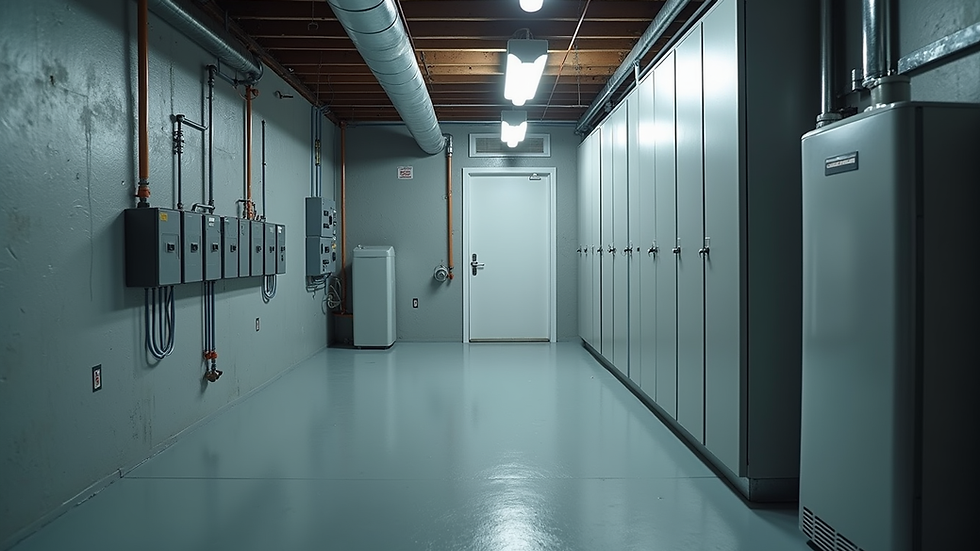
Clear access to all areas: Make sure the inspector can easily reach the attic, basement, crawl spaces, electrical panels, HVAC units, and water heaters.
Complete minor repairs: Fix leaking faucets, replace burnt-out light bulbs, and repair broken windows or doors.
Clean and declutter: A tidy home allows the inspector to move freely and spot issues without obstruction.
Gather documentation: Have records of past repairs, maintenance, and warranties ready for review.
Taking these steps will help the inspection proceed efficiently and provide a clear picture of the home's condition.
Key Home Inspection Preparation Tasks to Prioritize
When preparing your home, focus on tasks that directly impact the inspection outcome. These tasks not only facilitate the inspector’s work but also improve the overall impression of your property.
Check Major Systems
Plumbing: Look for leaks, drips, or water stains under sinks and around toilets. Ensure all faucets and showers work properly.
Electrical: Test all outlets and switches. Replace any faulty or missing cover plates.
Heating and Cooling: Change filters and confirm the HVAC system operates correctly.
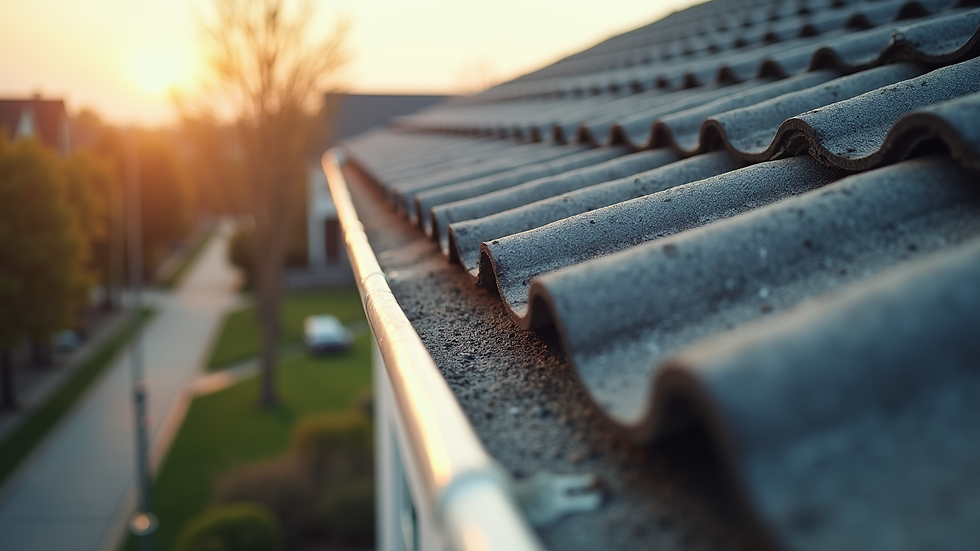
Roof and Gutters: Inspect for missing shingles, debris, or signs of damage. Clean gutters to prevent water backup.
Improve Safety and Accessibility
Ensure smoke and carbon monoxide detectors are functional.
Remove obstacles from hallways, stairways, and entry points.
Provide clear access to the electrical panel and water shut-off valves.
Exterior Maintenance
Trim overgrown bushes and trees that may block views or access.
Repair cracks in walkways or driveways.
Check for signs of pest infestation and address them promptly.
By focusing on these areas, you reduce the risk of negative findings and demonstrate responsible homeownership.
What is the Most Common Issue to Arise in a Home Inspection?
In my experience, the most frequent issues found during home inspections relate to the plumbing system. Common problems include:
Leaking pipes or fixtures
Corroded or outdated plumbing materials
Poor water pressure or drainage issues
Water heater malfunctions
These issues can lead to water damage, mold growth, and costly repairs if left unaddressed. Other common concerns include electrical hazards, roof damage, and HVAC system inefficiencies.
Addressing plumbing problems before the inspection can save time and money. Simple fixes like tightening connections, replacing worn washers, or insulating exposed pipes can make a significant difference.
How to Prepare for a Home Inspection: Practical Tips
If you want to learn more about how to prepare for a home inspection, here are some actionable recommendations:
Schedule the inspection at a convenient time: Be present during the inspection to ask questions and get immediate feedback.
Provide utility access: Ensure water, electricity, and gas are turned on for testing.
Document your home’s condition: Take photos or videos of areas you have repaired or maintained.
Communicate openly with the inspector: Share any known issues or recent upgrades.
Prepare pets: Secure pets in a safe area to avoid distractions or safety concerns.
Following these tips will help you feel confident and prepared for the inspection day.
Final Thoughts on Home Inspection Preparation
Preparing your home for an inspection is a straightforward process that pays off in clarity and confidence. By organizing your property, addressing common issues, and cooperating with the inspector, you ensure a thorough and accurate evaluation. This preparation supports informed decisions whether you are buying, selling, or maintaining your home.
Taking these steps reflects your commitment to the property and helps avoid surprises that could delay transactions or lead to costly repairs. Remember, a well-prepared home inspection is a valuable tool for protecting your investment and peace of mind.
By following these guidelines, you can approach your home inspection with confidence and clarity. Proper preparation is the key to a successful inspection and a smooth real estate experience.


Comments