
How to Prepare Effectively for a Home Inspection
- matt61548

- Jun 29
- 4 min read
Preparing for a home inspection is a critical step in the process of buying, selling, or maintaining a home. It can feel overwhelming, but with the right approach, you can make the experience smooth and productive. I will guide you through practical steps to get ready for a home inspection. This will help you avoid surprises and ensure the inspection goes as planned.
Steps to Prepare for a Home Inspection
Preparation starts with understanding what the inspector will look for. The goal is to present your home in the best possible condition without hiding any issues. Here are key actions to take:
Clean and declutter: A tidy home allows the inspector to access all areas easily. Clear basements, attics, and crawl spaces. Remove items blocking electrical panels, furnaces, and water heaters.
Check major systems: Test all appliances, heating, cooling, plumbing, and electrical systems. Fix any leaks, replace burnt-out bulbs, and ensure smoke detectors work.
Repair minor issues: Patch holes in walls, fix dripping faucets, and tighten loose railings. These small repairs show you maintain the home.
Provide access: Make sure the inspector can enter the attic, crawl spaces, and garage. Unlock gates and doors if needed.
Gather documents: Have warranties, manuals, and repair records ready. This information can clarify the condition of appliances and systems.
Taking these steps will help the inspection proceed without delays or obstacles.
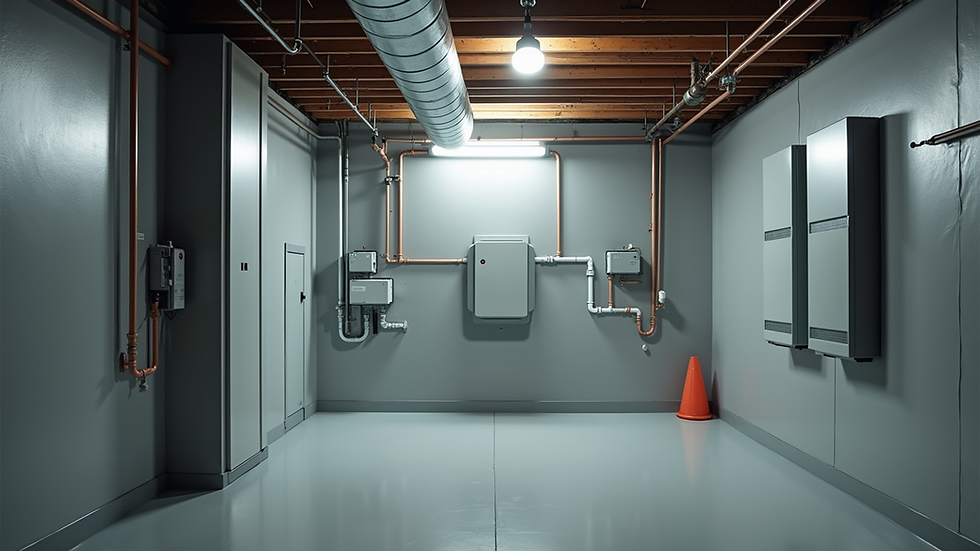
What is the most common issue to arise in a home inspection?
Certain problems frequently appear during home inspections. Knowing these can help you focus your preparation:
Roof and gutters: Missing shingles, damaged flashing, and clogged gutters are common. Inspect your roof for visible damage and clean the gutters.
Plumbing leaks: Leaky faucets, pipes, and toilets often show up. Check under sinks and around toilets for moisture.
Electrical concerns: Outdated wiring, missing cover plates, and non-functional outlets are typical issues. Ensure all outlets and switches work and replace any damaged covers.
HVAC system: Dirty filters, poor maintenance, or malfunctioning units can cause problems. Change filters and schedule servicing if needed.
Foundation cracks: Small cracks are normal, but large or growing cracks require attention. Inspect your foundation walls and floors for signs of damage.
Addressing these common issues before the inspection can prevent negative findings and costly repairs later.
How to Prepare for a Home Inspection: Practical Tips
Preparation is more than just repairs. It involves planning and communication. Here are practical tips to help you get ready:
Schedule the inspection at a convenient time: Choose a time when you can be present. This allows you to ask questions and get immediate feedback.
Inform the inspector of any recent repairs or upgrades: This helps them understand the home’s history and focus their evaluation.
Turn on all utilities: Ensure water, electricity, and gas are on. The inspector needs to test systems under normal conditions.
Check exterior drainage: Make sure water flows away from the foundation. Clear downspouts and grade soil properly.
Prepare pets: Secure pets in a safe area to avoid distractions or safety issues during the inspection.
By following these tips, you create a cooperative environment that benefits everyone involved.
Understanding the Inspector’s Role and What to Expect
The home inspector’s job is to provide an objective assessment of the property’s condition. They will examine structural elements, systems, and safety features. Here’s what you can expect:
A thorough walk-through: The inspector will check the roof, foundation, walls, plumbing, electrical, HVAC, and more.
Detailed report: After the inspection, you will receive a written report outlining findings, including photos and recommendations.
No repairs performed: Inspectors do not fix issues; they identify them.
Opportunity to ask questions: Being present allows you to clarify concerns and understand the report better.
Knowing the inspector’s role helps set realistic expectations and prepares you to act on the report’s findings.
Final Preparations and Day of Inspection Checklist
On the day of the inspection, a checklist can keep you organized and ensure nothing is overlooked:
Verify all utilities are on.
Remove obstacles from inspection areas.
Secure pets and children.
Have keys ready for locked areas.
Prepare a list of questions for the inspector.
Keep a notepad or device to take notes.
Following this checklist will help the inspection run smoothly and efficiently.
For more detailed guidance on how to prepare for a home inspection, visit the official resource.
Taking Action After the Inspection
Once you receive the inspection report, review it carefully. Prioritize repairs based on safety and cost. Discuss any concerns with your real estate agent or contractor. Use the report to negotiate repairs or price adjustments if you are buying or selling.
Maintaining your home after the inspection is equally important. Regular upkeep prevents future problems and preserves your investment.
By preparing thoroughly and responding promptly, you can make confident decisions about your property.
Preparing for a home inspection is a straightforward process when you know what to expect and how to act. Taking the time to get ready will save you stress and help you protect your home’s value. Use these guidelines to approach your next inspection with confidence and clarity.


Comments