
Understanding the Value of Home Inspection Details
- matt61548

- Jun 1
- 4 min read
When buying or selling a home, understanding the condition of the property is crucial. A thorough home inspection provides essential information that can influence your decisions. It uncovers hidden issues, confirms the state of the home, and offers peace of mind. I have seen firsthand how detailed inspections help people avoid costly surprises and negotiate better deals. This post will walk you through the importance of home inspection details and why they matter.
What Are Home Inspection Details and Why Do They Matter?
Home inspection details refer to the comprehensive findings and observations made during a professional evaluation of a property. These details cover structural elements, systems, and components such as the roof, foundation, plumbing, electrical wiring, HVAC, and more. The goal is to identify defects, safety concerns, and maintenance needs.
Understanding these details is vital because:
They reveal the true condition of the home beyond its appearance.
They help buyers assess repair costs and future expenses.
They provide sellers with a clear picture of what to fix before listing.
They assist current homeowners in planning maintenance and upgrades.
For example, a home inspection might uncover a leaking roof or outdated electrical wiring that could pose safety risks. Knowing this early allows you to address the issues proactively.

How Home Inspection Details Influence Your Decisions
When you receive a home inspection report, it is packed with detailed notes and photos. These details guide your next steps. Here’s how they influence decisions:
Negotiation Power
If the inspection reveals problems, you can negotiate repairs or price reductions. For instance, discovering a faulty HVAC system might justify asking the seller to replace it or lower the price.
Budget Planning
Inspection details help you estimate immediate and long-term costs. You might learn that the water heater needs replacement soon or that the foundation requires monitoring.
Safety Assurance
Identifying hazards like mold, asbestos, or electrical faults ensures you avoid health risks.
Confidence in Purchase
Knowing the home’s condition in detail reduces uncertainty and stress.
Maintenance Scheduling
For current homeowners, inspection details highlight areas needing attention, helping prioritize repairs.
In my experience, clients who understand these details make more informed and confident choices.
Are Home Inspections Worth the Money?
Many wonder if paying for a home inspection is a worthwhile investment. The answer is a clear yes. Here’s why:
Cost Savings
The inspection fee is small compared to the potential cost of undiscovered problems. For example, fixing a hidden foundation crack can cost thousands, far exceeding the inspection price.
Avoiding Risk
Inspections reduce the risk of buying a property with serious defects.
Peace of Mind
Knowing the home’s condition allows you to proceed with confidence.
Legal Protection
A detailed report can protect you in disputes by documenting the home’s state at purchase.
Seller Benefits
Sellers who invest in inspections can market their homes more effectively by addressing issues upfront.
I always recommend scheduling a professional inspection. It is a smart step that pays off in the long run.
What to Expect During a Home Inspection
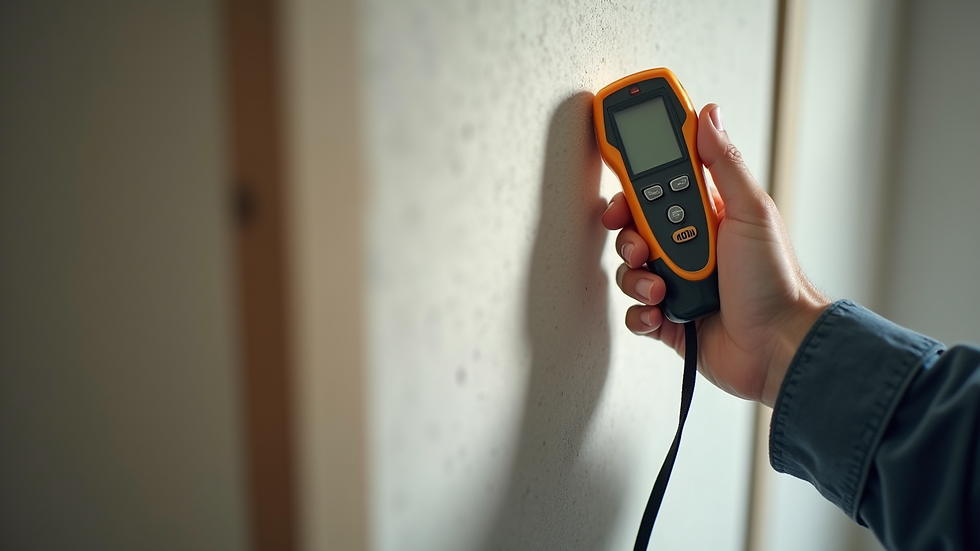
A typical home inspection lasts 2 to 4 hours, depending on the property size and condition. The inspector examines:
Exterior: Roof, gutters, siding, windows, doors, foundation.
Interior: Walls, ceilings, floors, windows, doors.
Systems: Electrical, plumbing, heating, cooling.
Attic and Basement: Insulation, ventilation, moisture issues.
Appliances: Built-in units like ovens, dishwashers, and water heaters.
The inspector documents findings with notes and photos. Afterward, you receive a detailed report outlining defects, safety concerns, and maintenance tips.
To get the most from your inspection:
Attend the inspection if possible.
Ask questions about any concerns.
Review the report carefully.
Use the information to guide your decisions.
How to Choose a Reliable Home Inspector
Selecting the right inspector is key to getting accurate and useful home inspection details. Here are some tips:
Check Credentials
Look for certifications from recognized organizations.
Experience Matters
Choose inspectors with local experience and a solid track record.
Read Reviews
Client feedback can reveal reliability and thoroughness.
Ask About Report Format
Ensure the report is clear, detailed, and includes photos.
Verify Insurance
Confirm the inspector carries professional liability insurance.
Compare Prices
Avoid the cheapest option; quality matters more than cost.
By choosing a trusted professional, you ensure the inspection provides the clarity you need.
Taking Action After Receiving Home Inspection Details
Once you have the inspection report, it’s time to act. Here’s a practical approach:
Review the Report Thoroughly
Understand each issue and its severity.
Prioritize Repairs
Focus on safety and major defects first.
Consult Professionals
Get estimates from contractors for necessary repairs.
Negotiate with Sellers
Use the report to request repairs or price adjustments.
Plan Maintenance
Schedule routine upkeep based on inspector recommendations.
Keep Records
Save the report for future reference and resale.
This process helps you protect your investment and maintain your home’s value.
Understanding home inspection details is essential for making informed real estate decisions. A professional home inspection service provides the clarity and confidence needed to move forward wisely. Whether buying, selling, or maintaining a home, these insights are invaluable.
By focusing on clear, thorough, and honest assessments, you can avoid surprises and plan effectively for the future. Take the time to invest in a quality inspection and use the details to your advantage.


Comments