
Discover Expert Tips on Home Inspections - Home Inspection Blog Tips

When it comes to buying or selling a home, a thorough home inspection is essential. It provides clarity and confidence in your decisions. I want to share expert tips on home inspections that will help you understand the process better and avoid costly surprises. These tips are practical and straightforward, designed to empower you with knowledge.
Understanding the Importance of a Home Inspection
A home inspection is more than just a formality. It is a detailed examination of a property's condition. This process uncovers issues that may not be visible during a casual walkthrough. Knowing what to expect from a home inspection can save you time and money.
A professional inspector will check the structure, roof, plumbing, electrical systems, HVAC, and more. They provide a report that highlights any problems and suggests repairs. This report is a valuable tool for negotiation or planning future maintenance.
Key points to remember:
Inspections reveal hidden defects.
They help you budget for repairs.
They provide peace of mind before finalizing a deal.

Essential Home Inspection Blog Tips for Buyers and Sellers
Whether you are buying or selling, understanding the inspection process is crucial. Here are some expert tips to guide you:
Attend the Inspection
Being present allows you to ask questions and see issues firsthand. It also helps you understand the inspector’s findings better.
Choose a Certified Inspector
Certification ensures the inspector has the necessary training and experience. Look for inspectors who follow industry standards.
Review the Inspection Report Carefully
The report will detail all findings. Pay attention to major defects and safety concerns. Minor issues can often be fixed later.
Use the Report for Negotiations
If problems are found, you can request repairs or a price reduction. This step is common in real estate transactions.
Plan for Future Maintenance
Some issues may not require immediate action but should be monitored. The report can serve as a maintenance checklist.
These tips will help you navigate the inspection process with confidence. For more detailed advice, you can always read our home inspections blog.
What to Expect During a Home Inspection
Knowing what happens during an inspection can reduce anxiety and prepare you for the experience. Here is a breakdown of the typical steps:
Exterior Inspection
The inspector examines the foundation, walls, roof, gutters, and drainage. They look for cracks, leaks, and signs of wear.
Interior Inspection
Inside, the inspector checks walls, ceilings, floors, windows, and doors. They test plumbing fixtures, electrical outlets, and appliances.
Systems Check
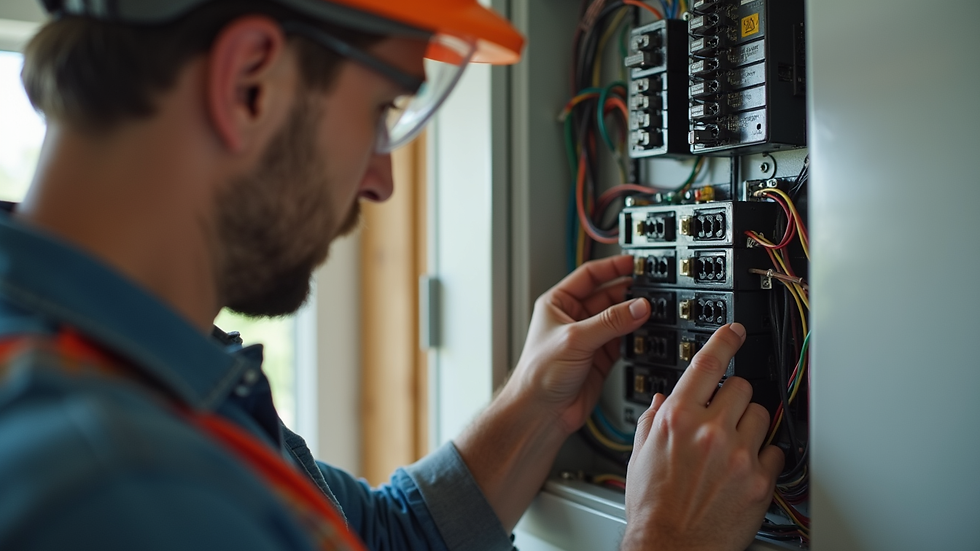
Heating, ventilation, and air conditioning systems are tested for functionality. The inspector also checks the water heater and smoke detectors.
Attic and Basement
These areas are inspected for insulation, ventilation, moisture, and structural integrity.
Report Preparation
After the inspection, the inspector compiles a detailed report with photos and recommendations.
How to Prepare Your Home for an Inspection
If you are selling your home, preparing it for inspection can make a big difference. A well-prepared home often results in a smoother inspection and fewer issues.
Clean and Declutter
Clear access to all areas, including the attic, basement, and electrical panels.
Fix Minor Repairs
Address small leaks, broken fixtures, or damaged doors before the inspection.
Ensure Utilities Are On
The inspector needs water, electricity, and gas to test systems properly.
Provide Documentation
Have records of past repairs, warranties, and maintenance ready for the inspector.
Check Safety Features
Make sure smoke detectors and carbon monoxide alarms are working.
Preparing your home shows good faith and can speed up the selling process.
Making the Most of Your Home Inspection
After the inspection, use the information wisely. Here are some steps to take:
Discuss Findings with Your Inspector
Clarify any doubts and ask for advice on repairs or maintenance.
Prioritize Repairs
Focus on safety issues and major defects first. Cosmetic problems can wait.
Get Estimates for Repairs
Use the inspection report to obtain quotes from contractors.
Negotiate with Confidence
Use the inspection results to support your requests during the sale or purchase.
Plan Long-Term Maintenance
Keep the report for future reference. It helps track the condition of your home over time.
By following these steps, you can protect your investment and avoid unexpected costs.
Building Trust Through Clear and Honest Inspections
At Kinetic Home Inspections, we believe in providing clear, thorough, and honest assessments. Our goal is to help you make confident decisions about your property. We understand the local market in Eastern, TN, and tailor our inspections to meet your needs.
Trust is built through transparency and professionalism. We encourage you to ask questions and stay involved throughout the process. A good inspection is a partnership between you and the inspector.
If you want to learn more about home inspections and how they can benefit you, I invite you to read our home inspections blog.
By applying these expert tips, you will be better prepared for your next home inspection. Whether buying, selling, or maintaining your home, knowledge is your best tool. Take control of the process and make informed decisions with confidence.


Comments