
Effective Strategies for Preparing for Home Inspections
- matt61548

- Jun 1
- 3 min read
Preparing for home inspections is a critical step in the process of buying, selling, or maintaining a property. A thorough inspection can reveal issues that affect the value and safety of a home. Being proactive and organized helps ensure the inspection goes smoothly and that you get the most accurate assessment possible. I will share practical strategies that help you prepare effectively and confidently.
Understanding the Importance of Preparing for Home Inspections
A home inspection is more than a formality. It is a detailed evaluation of a property's condition. Inspectors check structural elements, systems, and safety features. When you prepare properly, you reduce surprises and delays. You also demonstrate responsibility and transparency, which builds trust between buyers and sellers.
Preparation involves more than cleaning. It means making sure everything is accessible and functional. It also means gathering relevant documents and addressing minor repairs. This approach helps the inspector focus on significant issues and provides you with a clear picture of the home's condition.
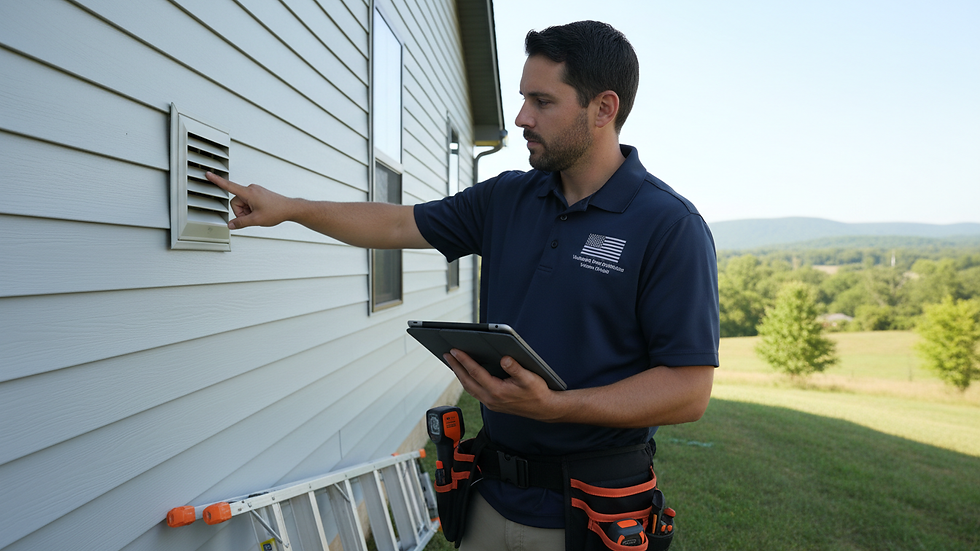
Key Steps in Preparing for Home Inspections
Preparation starts with a checklist. Here are the essential steps to take before the inspector arrives:
Clear Access to Key Areas
Inspectors need to see the attic, basement, crawl spaces, electrical panels, HVAC units, and plumbing. Remove any clutter or obstacles that block these areas. This saves time and allows a thorough inspection.
Test All Systems
Turn on all faucets, flush toilets, test light switches, and operate appliances. Make sure smoke detectors and carbon monoxide alarms are working. Fix any obvious issues beforehand to avoid red flags.
Complete Minor Repairs
Address small problems like dripping faucets, loose handrails, or cracked windows. These repairs show that the home has been cared for and prevent the inspector from focusing on avoidable issues.
Provide Documentation
Gather warranties, repair receipts, and maintenance records. This information helps the inspector understand the history of the home and any recent improvements.
Ensure Safety and Cleanliness
Clean the home thoroughly. A tidy environment allows the inspector to work efficiently. Also, check for any safety hazards such as exposed wiring or unstable steps.
By following these steps, you create a positive environment for the inspection and increase the chances of a smooth process.
What is the Most Common Issue to Arise in a Home Inspection?
Certain issues frequently appear during home inspections. Knowing these common problems helps you focus your preparation efforts:
Roofing Problems
Missing shingles, damaged flashing, and clogged gutters are typical concerns. Inspect the roof visually and clear debris before the inspection.
Plumbing Leaks
Leaky pipes, faucets, and water heaters often show up. Check under sinks and around appliances for moisture or corrosion.
Electrical Issues
Outdated wiring, overloaded circuits, and non-functional outlets are common. Ensure all breakers work and replace any damaged cords or fixtures.
HVAC System Deficiencies
Dirty filters, irregular heating or cooling, and lack of maintenance can cause problems. Change filters and schedule servicing if needed.
Foundation and Structural Concerns
Cracks in walls or floors and uneven settling may be noted. While some cracks are cosmetic, larger ones require professional evaluation.
Addressing these common issues before the inspection can prevent costly surprises and speed up the transaction process.

How to Facilitate the Inspection Process
The inspection day can be stressful, but you can make it easier by following these tips:
Be Present and Available
Attend the inspection if possible. This allows you to ask questions and get immediate feedback.
Provide Clear Access
Unlock gates, open doors, and turn on lights. Make sure pets are secured to avoid distractions.
Stay Out of the Way
Give the inspector space to work. Avoid hovering or interrupting the process.
Take Notes and Photos
Document findings for your records. This helps when discussing repairs or negotiating.
Follow Up Promptly
Review the inspection report carefully. Address urgent repairs quickly and plan for long-term maintenance.
These actions demonstrate professionalism and help you make informed decisions based on the inspection results.
Final Thoughts on Preparing for Home Inspections
Preparation is the key to a successful home inspection. By organizing your home, addressing common issues, and cooperating with the inspector, you ensure a thorough and accurate evaluation. This process protects your investment and provides peace of mind.
If you want to learn more about how to prepare for a home inspection, take the time to review detailed guides and checklists. Being well-prepared benefits everyone involved and leads to confident, informed decisions.
Remember, a well-prepared inspection is a step toward a safe and sound home.


Comments